


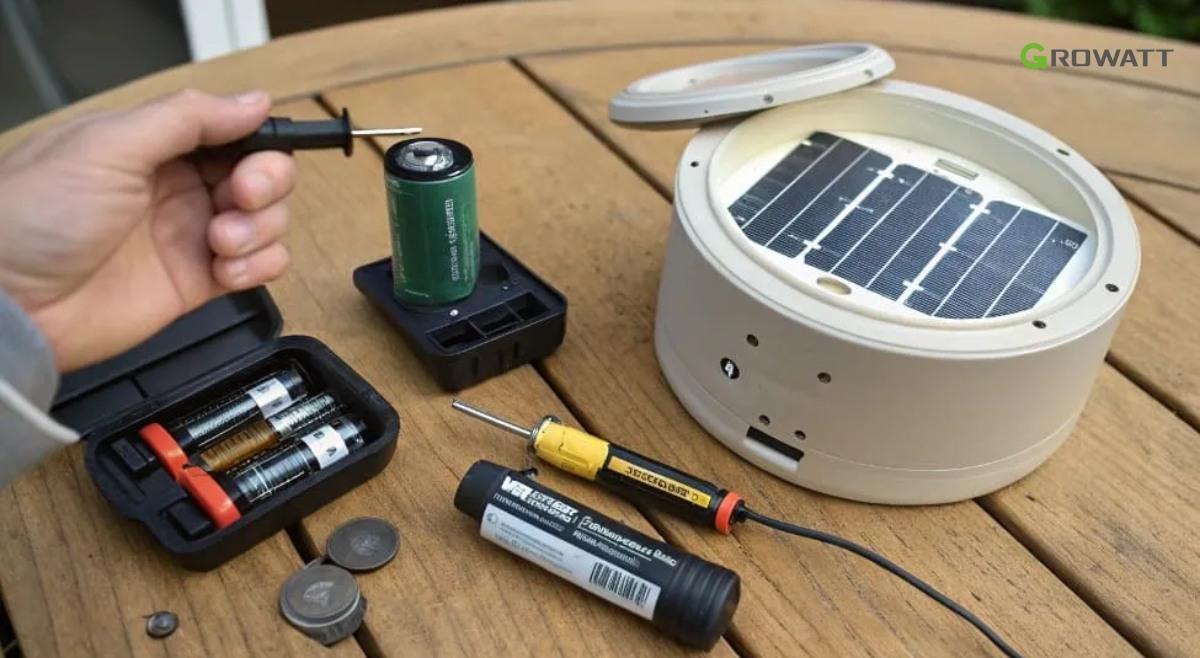
Lithium batteries have been the cornerstone of efficient, reliable, and sustainable power storage in the fast-growing solar world. This is very true in several major industrial cities, like Iran, Iraq, UAE, and Syria, where businesses and energy contractors are significantly using solar lithium batteries for powering factories and commercial buildings on a large scale. As a factory owner, a distributor of solar panels, or a contractor, knowing when to replace your solar panel lithium battery and understanding the right timing for solar lithium battery replacement can be very important to maintaining optimal performance and safeguarding your investment.
How Long Does a Lithium Solar Battery Last and When Is Solar Lithium Battery Replacement Needed?
One of the first questions our clients often ask is how long solar lithium batteries last. Under the best conditions, a quality solar panel lithium battery could reasonably be expected to last anywhere from 8 to 15 years. Factors influencing this life include:
- Loss of battery capacity in solar systems over time
- Number of charge/discharge cycles
- Operating temperature and environmental conditions
- Proper maintenance and adhering to manufacturer guidelines
Growatt inverter lithium battery systems normally will last many cycles with only trivial capacity loss, but these batteries do age over time and will eventually develop solar battery degradation symptoms. These will present when it is time for a solar lithium battery replacement.
Solar Battery Lifespan Comparison Table
| Battery Type | Average Lifespan (Years) | Cycle Life | Capacity Degradation Rate | Replacement Frequency | Best Use Cases |
|---|---|---|---|---|---|
| Lithium Iron Phosphate (LiFePO4) | 10–15 years | 4,000–6,000 cycles | Very low | Late replacement — ideal for lithium solar battery replacement long-term planning | Industrial systems, commercial solar setups, Growatt systems |
| Lithium NMC (Nickel-Manganese-Cobalt) | 8–12 years | 3,000–5,000 cycles | Low | Typically after 8–10 years | Residential and commercial systems |
| Lithium Titanate (LTO) | 15–20 years | 8,000–15,000 cycles | Extremely low | Very late — premium long-life option | High-demand industrial storage, heavy-duty applications |
| Lead-Acid (AGM/GEL) | 3–6 years | 500–1,200 cycles | High | Early (every 3–5 years) | Small solar systems, budget installations |
| Flooded Lead Acid (FLA) | 2–4 years | 300–1,000 cycles | Very high | Very early replacement required | Low-cost setups with frequent maintenance |
| Growatt Lithium (LiFePO4 with BMS Optimization) | 10–15 years | 4,000–7,000 cycles | Very low (BMS-optimized) | Late — follows solar battery degradation symptoms | Factories, commercial buildings, high-load industrial sites in Iran, Iraq, UAE, Syria |
when to replace solar lithium battery?
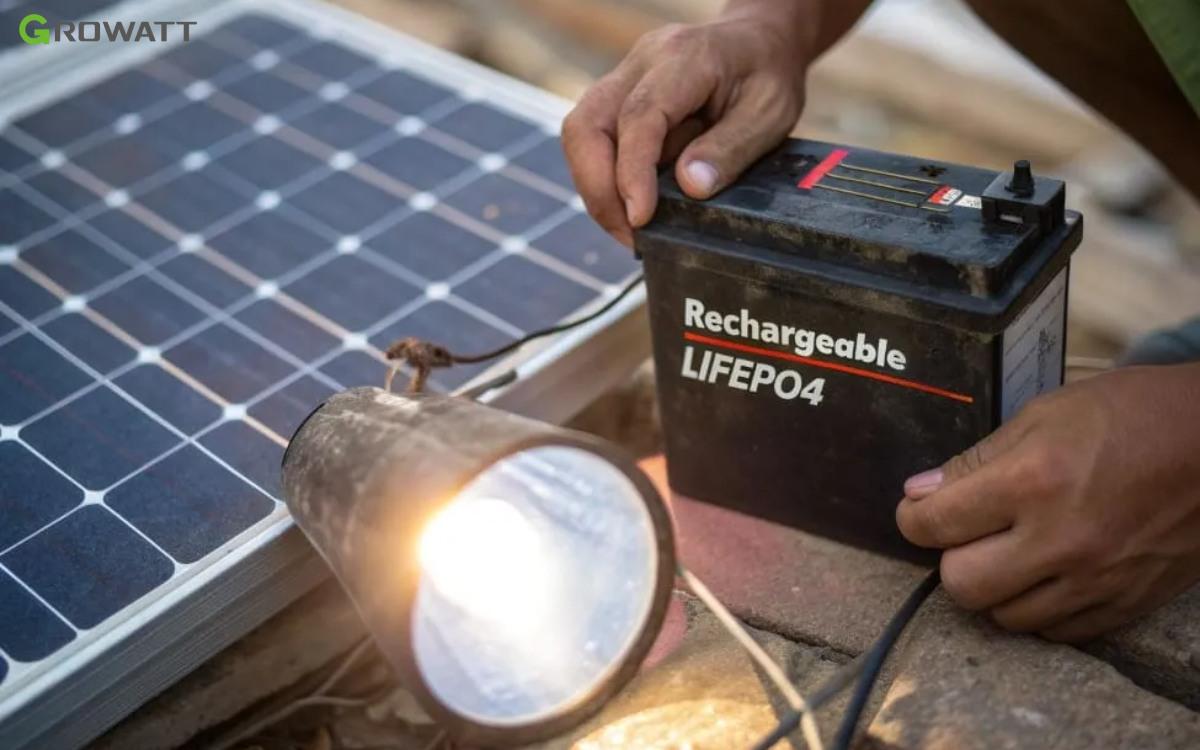
One of the most common questions from solar system owners is when to replace lithium battery for solar systems. Understanding the right timing is crucial to prevent unexpected system failures, costly downtime, and reduced energy output. Typically, a high-quality lithium solar battery lasts 8–15 years, depending on factors such as usage, temperature, number of charge/discharge cycles, and maintenance practices. By monitoring solar battery degradation symptoms such as reduced capacity, inconsistent performance, and physical signs like swelling or leakage, you can plan solar lithium battery replacement at the optimal time and ensure your system continues running efficiently.
Signs Your Solar Lithium Battery Needs Replacement
Knowing exactly when solar lithium batteries need to be replaced will prevent system failure and very expensive downtime. Here are the key solar battery degradation symptoms:
1. Reduced Battery Capacity
With time, batteries face battery capacity loss in solar systems. If your solar panel inverter battery has started holding a lot less charge or discharging much faster than usual, this is surely a sign that your solar Li-ion battery is getting old. You may notice that your system is no longer supplying the same duration of energy, and that affects your operations.
2. Inconsistent Performance
Frequent shutdown of the system, an inability to hold a charge, and/or sudden losses of power are symptoms that mean yes, solar batteries need replacement. These arise because internal degradations occur which affect consistent power delivery by the battery.
3. Physical Signs
Other apparent indications of degradation in solar batteries are swelling, leakage, or corrosion around the terminals. Though not common in lithium batteries, any kind of physical abnormality should be checked right away.
4. Error Codes and Alerts
Most modern solar panel lithium battery systems, especially those integrated with Growatt inverter lithium battery technology, often have their own diagnostic alerts. Your monitoring system may signal abnormal voltage or faults, which can be a sign of the need for solar lithium battery replacement.
5. Increased Self-Discharge
In case your battery discharges faster when not in use than it is supposed to, that’s a sign of capacity loss and aging-a kind of signal showing how to know if the solar battery is bad.
Is Replacement of Solar Batteries Crucial?
This is the concern of many business owners and contractors. It depends on several factors, but overall, yes, solar batteries do need replacement every 8-15 years. A well-maintained lithium solar battery will still give good performance within this time, though it is less efficient after this period.
Regular replacement isn’t needed for a lithium battery for solar systems, but rather monitoring and taking action at the right time. A scheduled checkup will be very essential, especially beyond the 8-year mark, to ascertain whether your solar panel lithium battery still serves your needs.
How to Know if Solar Battery Is Bad?
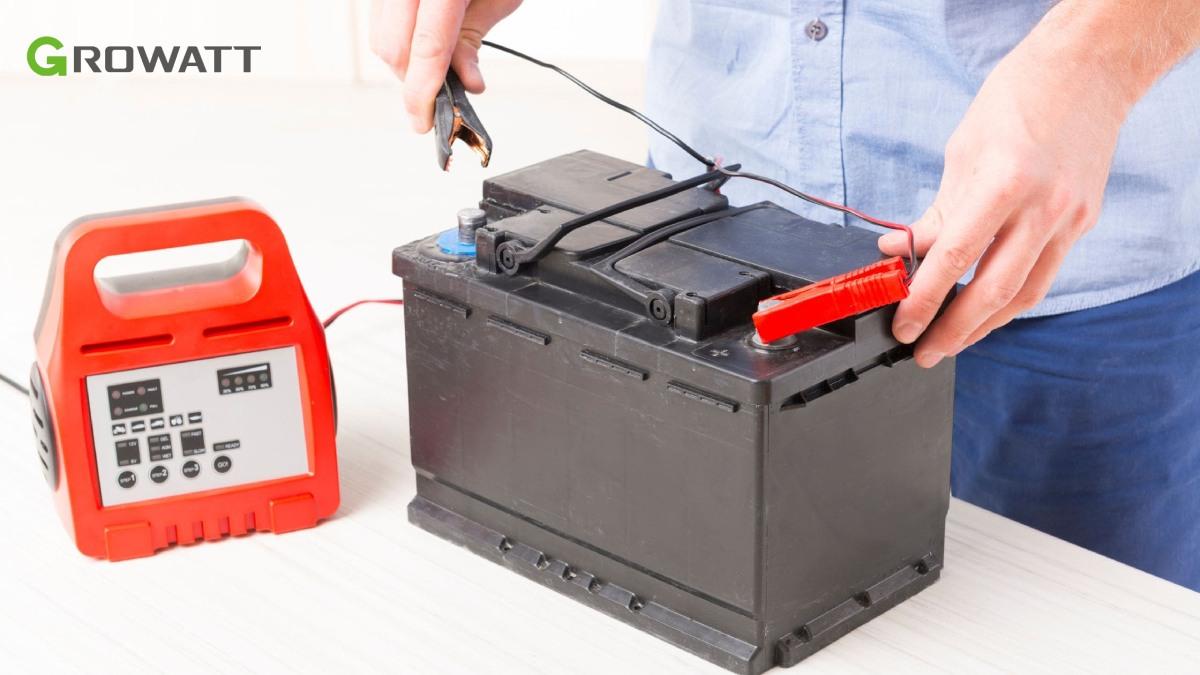
Besides physical inspection and system alerts, here are some practical ways of assessing the health of your battery:
System energy output monitoring: a decrease may point to the loss in capacity.
Check for rapid voltage drops: Continuous drops are a symptom of internal problems.
Check runtime: If your system is now providing less backup power, this could be due to deterioration.
Make use of your system’s diagnostic tools: Most modern setups, including lithium battery growatt inverter combinations, have built-in health indicators.
If these symptoms persist, one needs to consult a professional regarding the replacement of solar lithium batteries. This will help to evade system failure.
Why Proper Timing for Replacement Matters
Replacing your solar panel inverter battery or solar panel lithium battery at the correct time will ensure:
- Efficiency of the overall system maximised
- Extended overall system lifespan
- Lower operational expenditures
When replacing a solar lithium battery, it is normally related not just to its age but also to performance; waiting too long will lead to loss of battery capacity in solar systems, impacting your energy output, whereas premature replacement could be quite unnecessary and expensive.
Why Choose Growatt for Your Solar Battery Needs?
Being one of the major and authorized suppliers of Growatt inverter lithium battery systems, we offer authenticity, warranty, and after-sales support. Our customers operating in Iran, Iraq, the UAE, and Syria enjoy:
- Genuine products with valid warranties, supported by agency certificates.
- Fast international shipping, with dependable delivery
- Competitive pricing for bulk purchase of solar panels and accessories
Timely replacement of lithium solar batteries and optimization of the system. After-sales service includes dedicated service for symptoms of solar battery degradation and troubleshooting.
Conclusion
To summarize, do solar batteries need replacement? Yes, the time depends on various factors such as usage, environmental conditions, and system maintenance. By recognizing early symptoms of degradation in solar batteries, and when using a Growatt hybrid inverter, you are able to plan and replace your solar lithium batteries in advance for your solar power system to continue running highly efficiently.
Note that if you are really not sure how to tell if a solar battery is bad, there are some reliable service providers whose services you can consult for proper diagnosis and the best solution per your requirements. For that reason, investing in quality solar panel lithium battery systems, such as those from Growatt, means assurance of longevity in service and performance, added to peace of mind.
For owners and contractors, staying ahead with timely replacements with quality equipment means there will be no break in energy supply, saves money, and allows them to remain competitive in the renewable energy market.
Contact us today for consultations or to explore our inventory of genuine solar batteries and accessories that keep your solar systems running at peak performance.
Proper care, timely replacement, and a reliable supplier are the keys to maximizing your investment in solar. Don’t wait until failures occur; stay proactive and informed!
