



With this era of exponential development in green energy, solar energy storage is a solid pillar to most industrial and commercial activities in Iran, Iraq, UAE, and Syria. With factory owners, solar panel vendors, and energy project installers seeking effective, dependable, and long-term means of energy storage, solar lithium batteries particularly the solar lithium battery, solar panel inverter battery, and solar panel lithium battery models are more sought than ever. Even though these batteries are incredible, information on how solar lithium battery temperature influences their efficiency and lifespan is the key to making the most optimal buying decisions and long-term success.
The Crucial Role of Solar Lithium Battery Temperature in Performance
Lithium-ion batteries have revolutionized the technology of energy storage through their long life, negligible weight, and high energy density. Their optimal performance, however, is heavily reliant on the compatible temperature ranges being preserved intact. For optimum solar lithium battery performance, lithium solar battery temperature of 20°C to 25°C is optimal. Deviation from this range results in malfunction and fast degradation.
The effect of heat on the performance of solar batteries is also identical. The batteries may be heated and the high temperatures, aside from decreasing their capacity in the short term, can destroy the batteries in the long term. Low temperatures decrease the chemical reactions of the battery, and this is expressed in lower capacity and increased internal resistance.
Solar inverter with Battery overheat problems are common, especially under tropical temperatures like those found in the UAE and parts of Iran. The temperatures cause higher degradation of the electrolyte within the battery, increase the amount of internal resistance, and produce lithium-ion battery temperature effects on degradation. The effects cause lower efficiency and a tremendous loss in solar lithium battery lifespan and temperature.
Severe temperature conditions also stand to cause the solar panel inverter battery that typically utilizes lithium technology to fail prematurely. Heat accelerates chemical reactions that are best managed by the battery, resulting in capacity loss and safety problems.
Cold Weather Performance of Solar Lithium Batteries

Even though heat would normally be the largest concern, cold weather operation of solar lithium batteries cannot be overlooked for winter- or high-altitude-carrying areas. Lithium batteries can function within a given range of temperature of lithium solar battery, but as soon as it’s breached, its power delivery capability is gone.
At low temperatures, the internal resistance of the battery is increased, thereby decreasing power delivery and runtime. That is where the battery temperature control solar system falls in. Thermal control systems, heating devices, or insulation may be used in an effort to assist in maintaining the ideal operating temperature lithium solar battery, thus optimal operation during the whole year.
How Heat Affects Lithium Battery in Solar Systems?
High temperatures significantly influence the chemical stability of lithium cells. When heat exceeds the optimal operating range, the electrolyte inside the battery breaks down faster, causing capacity loss and reducing lifespan. Understanding how heat affects lithium battery in solar systems helps in designing better cooling systems and choosing batteries with advanced thermal management technology.
Methods of Controlling Battery Temperature in Solar Systems
To combat the rigidity of temperatures, there needs to be a right battery temperature control solar system. This includes:
- Prevention of solar battery overheating in warm conditions via active cooling.
- Passive heating or insulation in cold conditions to keep batteries within lithium solar battery temperatures.
- Through lithium battery systems of Growatt inverter, typically with intelligent thermal control functions, performance and lifespan may be greatly enhanced.
- In a bid to ensure that solar energy storage under high and low temperatures can withstand local climatic conditions.
Effective temperature control not only ensures the battery’s health but also offers the most solar-efficient system operation, reliable energy supply, and reduced maintenance expenses.
Solar Lithium Battery Temperature Impact on Battery Degradation
Lithium-ion battery temperature impact on degradation is a critical component of preparation for long-term application. Internal parts degrade quicker with increasing heat, cutting capacity sooner and lowering the solar lithium battery life and temperature.
Research has indicated that extended use beyond the temperature upper limit causes irreversible damage, therefore premature battery failure. Conversely, use below the lower temperature limit depletes capacity but is less destructive, as long as the battery is warmed up to the best operating temperature lithium solar battery before use.
Battery Life Extension Tips
There are some useful tips in extending your solar battery life as below:
- Select a lithium battery solar panel with built-in thermal management capability.
- Monitor system temperatures regularly for any sign of freezing or overheating.
- Do not leave batteries in direct sunlight or freezer conditions without protection.
- Apply solar system battery temperature control products in your area.
- In areas where there is extreme temperature variation, utilize batteries that have a higher lithium solar battery temperature rating.
Why Choosing the Right Battery Matters?
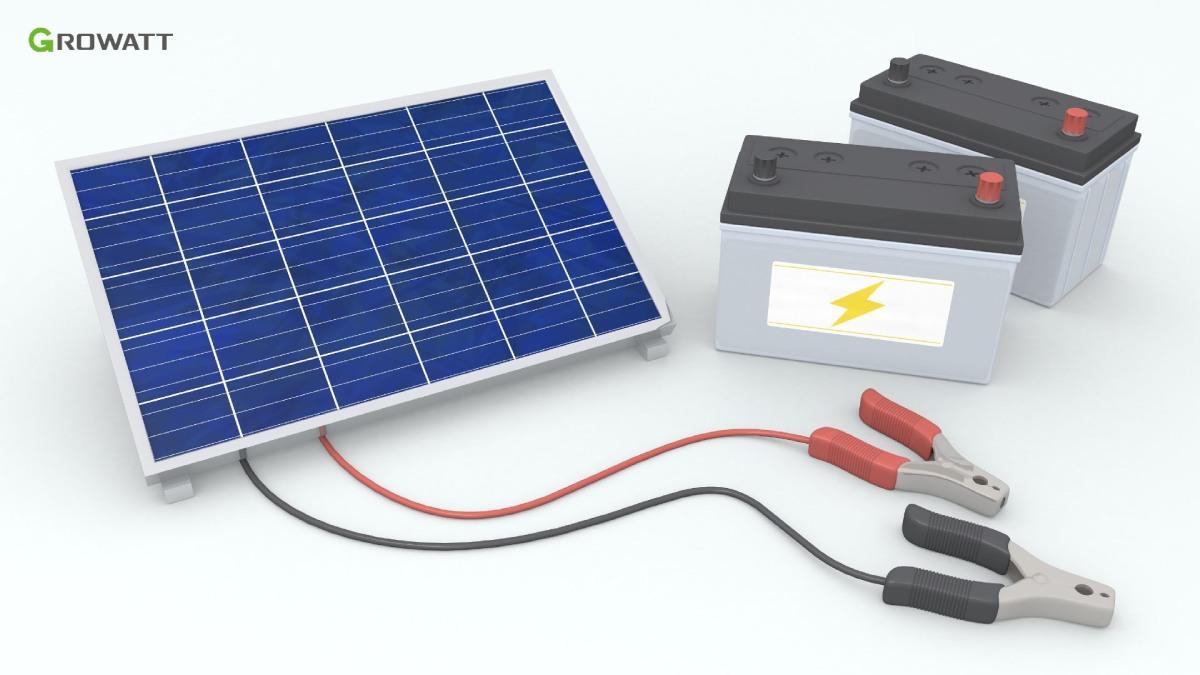
While choosing a solar lithium battery or solar panel inverter battery, one should know how temperature affects the performance of a solar battery. An excellent Growatt inverter lithium battery, for example, has advanced thermal control systems that ensure stability from temperatures.
Secondly, employing batteries that have been specifically engineered to run under hot and cold climatic solar energy storage offers superior durability and resistance. The latter is especially important in industrial or commercial functions where reliability essentially equates to productivity as well as cost savings.
Long-Term Success with Durable Batteries
To get the longest solar lithium battery life and resistance to heat, purchase only from authentic dealers providing authentic products and authentic warranties. This protects your investment from heat overheating of solar batteries or premature aging.
Having a good supplier annihilates inventory and shipping barriers overseas, and you can buy high-quality items at a lower cost. Bulk buying, watch out for offers and discounts—these can bring high-performance solar panel inverter batteries to your reach and optimize your project’s ROI.
Conclusion
Cutting it short, lithium battery life in solar systems based on temperature is something that needs to be taken seriously by anyone who’s making an investment in solar and cold climates’ renewable energy technology. Solar battery performance is influenced by temperature, not just the problem of short-term efficiency but solar lithium battery life and solar lithium battery temperature in the long run.
With an understanding of the temperature range of the lithium solar battery, a quality battery temperature control solar system, and the use of high-quality, heat-resistant batteries such as Growatt, you can ensure to get maximum performance and lifespan. Adequate thermal management eliminates the dangers of solar battery overheating problems and deterioration, thus guaranteeing reliable energy storage systems.
Wherever you are in Syria, Iraq, Iran, or the UAE, keeping temperature factors at the front of your mind while you plan your solar energy storage system will reward you with system longevity, efficiency, and project success. Don’t forget that well-cared-for battery system with best operating temperature lithium solar battery is your best defense against environmental problems and one of the secrets to energy operation sustainability.
