

Home Inverter Systems for Smarter, More Reliable Living
These days, almost every part of daily life at home depends on electricity. Air conditioners run for hours, Wi-Fi stays connected around the clock, kitchen appliances are constantly in use, and more people than ever are working from home or managing smart devices across the house.
So when the power cuts out — even for a short time — everythingfeels disrupted immediately.
That’s one of the main reasons homeowners are paying more attention to choosing the right inverter for home use. Some people want backup power during outages. Others are trying to lower electricity bills or build a more energy-efficient setup that won’t struggle during peak usage hours.
Most homes need both.
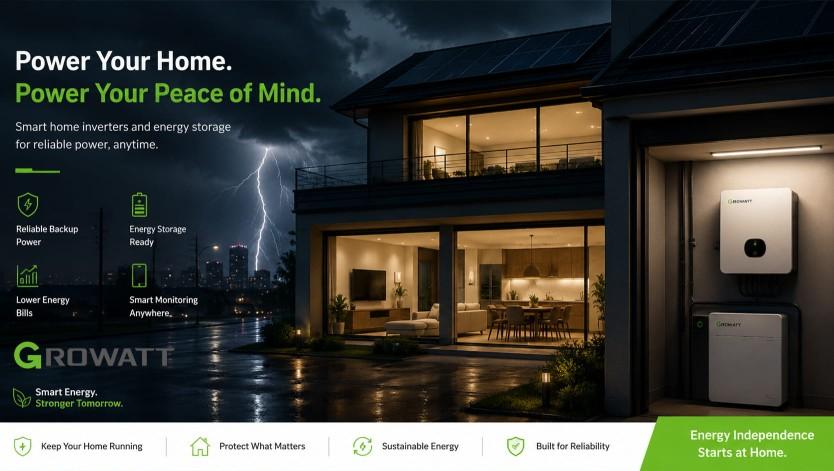
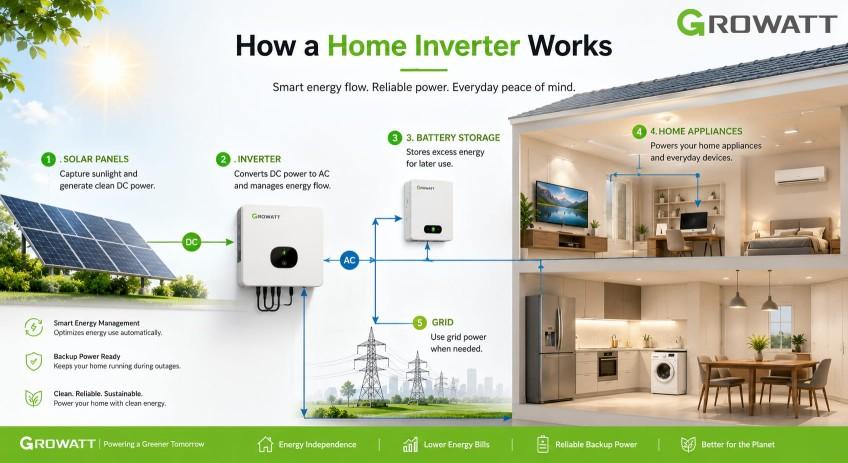
A good home inverter does more than switch power sources. It controls how electricity moves through the system, keeps voltage stable, protects appliances, and helps the entire house run more smoothly day after day.
And honestly, even a strong solar setup can feel frustrating if the inverter can’t handle real household demand properly.
That’s why many homeowners now prefer reliable residential inverter systems like Growatt for everyday energy management and backup protection at the same time.
Why a Home Inverter Matters More Than Ever
Electricity usage inside homes has changed a lot over the last few years. Bigger TVs, heavier air conditioning usage, gaming systems, remote work equipment, smart lighting, pumps, security systems… the average house simply consumes more power now.
At the same time, outages and voltage fluctuations are becoming more common in many regions.
A properly selected inverter for home use helps balance all of this. It gives homeowners more control over energy usage while also reducing stress on connected devices.
Here are some of the biggest advantages:
| Home Inverter Benefit | Why Homeowners Care |
|---|---|
| Backup Power During Outages | Keeps essential appliances running when electricity fails |
| Better Energy Efficiency | Helps reduce wasted power consumption |
| Appliance Protection | Stabilizes voltage and protects sensitive electronics |
| Battery Storage Support | Allows energy storage for later use |
| Lower Utility Dependence | Reduces reliance on grid electricity |
For a lot of families now, installing a home inverter system doesn’t feel like a luxury upgrade anymore. It’s becoming part of building a more dependable home.
Choosing the Right Inverter for Home Use
Every property uses electricity differently.
A small apartment with basic appliances obviously won’t need the same setup as a large villa running several AC units, kitchen equipment, water pumps, lighting zones, and backup circuits all at once.
That’s why choosing the right residential inverter should always start with actual household usage — not just price.
Most homeowners usually look for a combination of:
- Reliable backup power
- Lower electricity costs
- Battery compatibility
- Stable output for sensitive devices
- Room for future upgrades
- Easy monitoring and control
A correctly sized home inverter system usually performs better over time, handles demand more comfortably, and creates fewer limitations later if the household expands its energy usage.
Cutting corners here normally becomes expensive later.
Hybrid vs Off-Grid vs On-Grid Home Inverters
One question comes up constantly:
Which type of home inverter is best?
The answer depends mostly on two things:
- How stable the local electricity supply is
- How much backup power the homeowner expects
Here’s a simple comparison:
| Inverter Type | Best For | Main Advantage |
|---|---|---|
| On-Grid Home Inverter | Homes focused mainly on reducing electricity bills | Lower installation cost |
| Hybrid Home Inverter | Homes needing both backup power and efficiency | Combines battery support with daily savings |
| Off-Grid Home Inverter | Areas with unreliable or limited grid access | Full energy independence |
Hybrid home inverter systems have become especially popular because they offer a practical middle ground. Homeowners get everyday efficiency, battery support, and backup protection without going completely off-grid.
For houses dealing with frequent blackouts, hybrid systems are usually the safer long-term option.
Popular Growatt Inverters for Residential Homes
When people search for a reliable inverter for home applications, Growatt is one of the names that comes up repeatedly — mainly because the systems are designed to be simple, stable, and suitable for different household sizes.
A lot of homeowners don’t want something complicated.
They want a system that quietly does its job in the background without constant adjustments or maintenance headaches.
Growatt home inverter systems are commonly used for:
- Residential backup power
- Everyday household energy management
- Battery storage integration
- Hybrid solar systems
- Smart-home energy setups
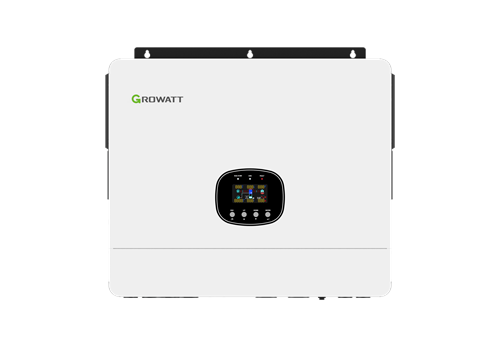
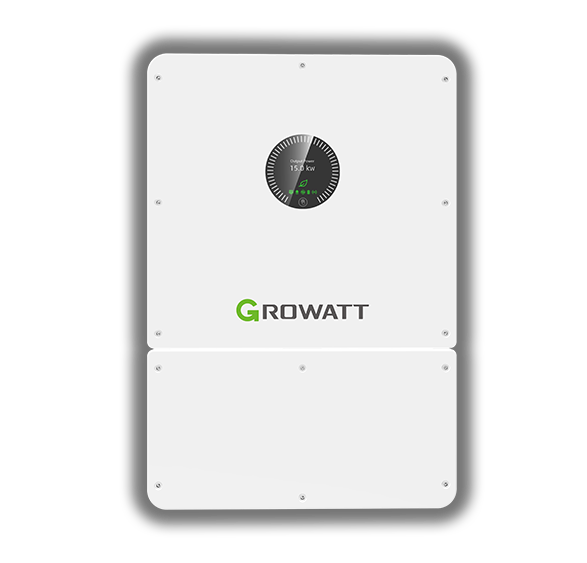
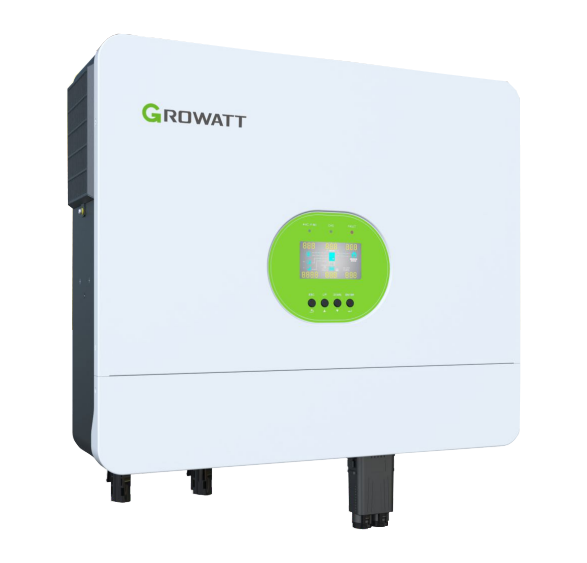
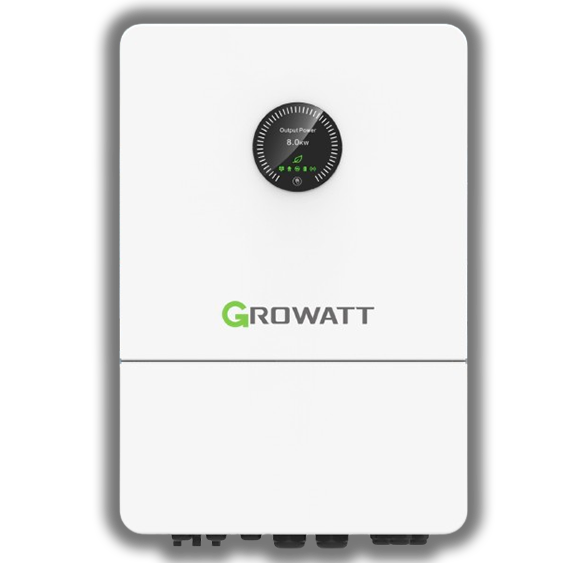
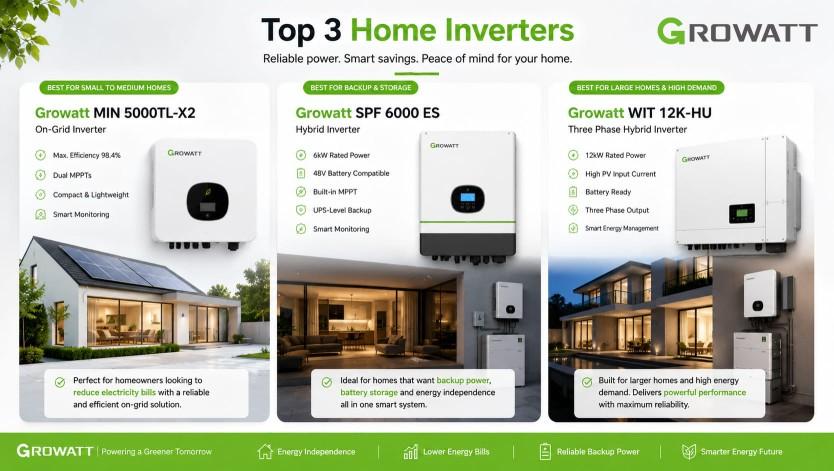
Some popular residential models include:
| Model | Type | Recommended Use |
|---|---|---|
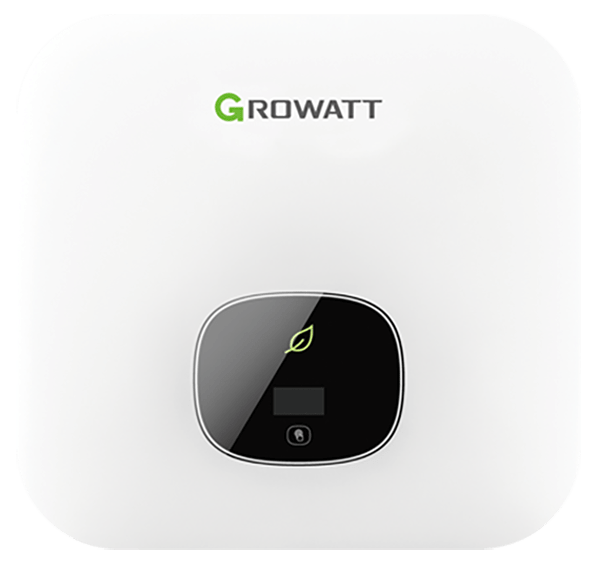
| Growatt MIN 5000TL-X2 | On-Grid Home Inverter | Small to medium homes |
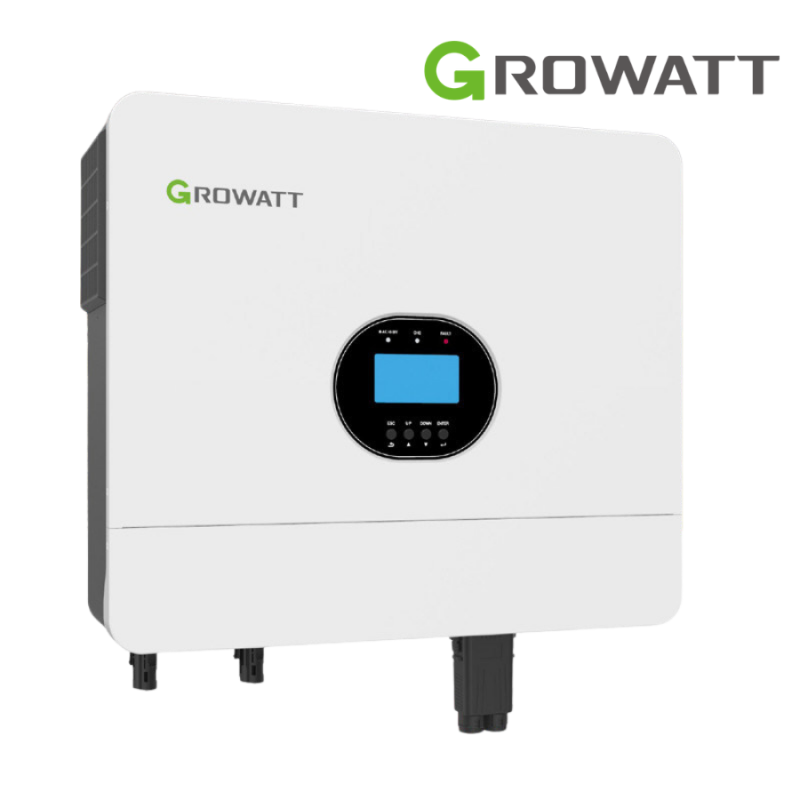
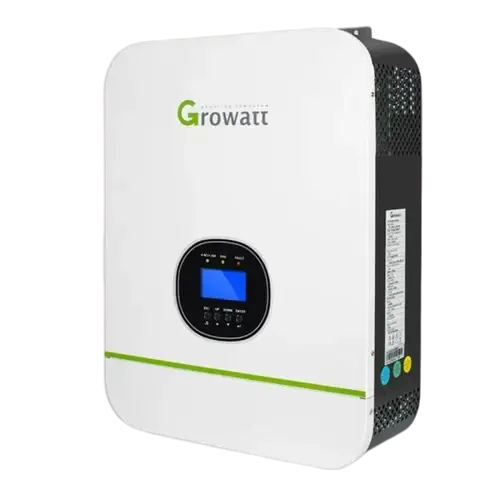
| Growatt SPF 6000 ES | Hybrid Home Inverter | Homes requiring backup support |
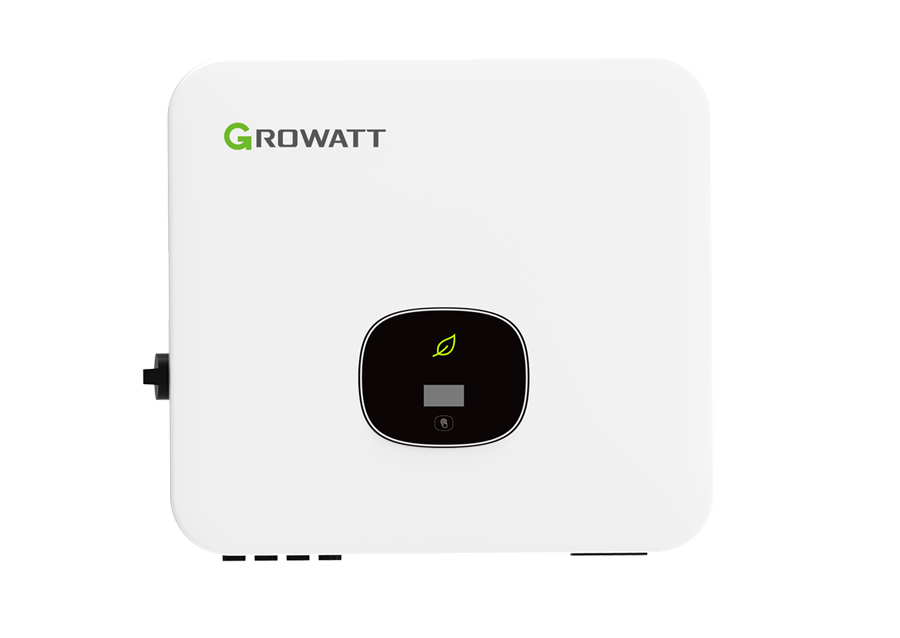
| Growatt WIT 12K-HU | Advanced Hybrid Inverter | Larger homes with higher consumption |
| Growatt WIT 15K-HU | High-Capacity Residential Inverter | Villas and large residential properties |
The right inverter depends less on the house size itself and more on how electricity is actually used throughout the day.
Some homes consume surprisingly little. Others run almost like commercial properties.
Battery Storage Makes a Huge Difference
Adding batteries completely changes how a home inverter system performs during outages. Many homeowners now pair their systems with a Growatt lithium battery to improve backup performance, store excess solar energy, and keep essential appliances running during unexpected outages.
Without storage, most systems mainly help reduce electricity consumption while the grid is active. Once the power goes out, backup capability becomes limited.
With properly matched battery storage, homeowners can continue running essential appliances even during long outages.
That usually includes things like:
- Lighting
- Internet routers
- Refrigerators
- Security systems
- TVs and entertainment devices
- Selected air conditioning units
Residential battery systems are now commonly used for:
| Battery Storage Use | Benefit |
|---|---|
| Emergency Backup Power | Keeps important devices operational |
| Energy Storage | Stores excess electricity for later use |
| Hybrid Home Systems | Improves flexibility and efficiency |
| Reduced Grid Dependence | Less reliance on unstable utility supply |
For many families, battery support isn’t only about convenience anymore. It’s peace of mind.
Especially during extreme weather or unstable grid conditions.
How Much Power Should a Home Inverter Have?
This depends entirely on how many appliances operate at the same time inside the property.
Smaller homes with moderate usage may only need a compact residential inverter. Larger homes with multiple AC systems, pumps, kitchens, entertainment setups, and backup circuits often require stronger hybrid solutions.
A lot of medium-sized homes today choose systems around the 6KW range because they offer a solid balance between everyday usage and backup capability. A Growatt inverter 6KW setup is often considered one of the best choices for medium-sized homes.
When planning a home inverter system, it’s important to consider:
- Daily electricity consumption
- Peak appliance demand
- Future expansion plans
- Battery compatibility
- Expected backup runtime
Choosing purely based on the cheapest price usually creates limitations later — especially once household energy usage starts growing.
And it almost always grows.
Home Inverter Prices and Long-Term Value
Home inverter prices can vary quite a bit depending on:
- System capacity
- Backup capability
- Battery support
- Smart monitoring features
- Overall build quality
When comparing solar panel inverter price options, homeowners should look beyond the initial cost and focus on long-term efficiency, battery compatibility, and overall system reliability.
Lower-cost systems sometimes look attractive at first, but many homeowners later discover issues related to weak backup performance, expansion limitations, or unstable output under heavy demand.
A better long-term setup usually focuses on things like:
| What Actually Matters | Why It’s Important |
|---|---|
| Stable Performance | Consistent power delivery across the home |
| Battery Integration | Easier future upgrades |
| Reliable Backup Capability | Better protection during outages |
| Warranty & Support | Long-term system security |
| Energy Savings | Reduced electricity costs over time |
Most homeowners eventually realize the real value isn’t simply buying an inverter.
It’s building a home energy system that still performs properly years later without becoming restrictive or unreliable.
[sc_fs_multi_faq css_class="faq-hide-mobile" headline-0="h4" question-0="What is a home inverter system and how does it work?" answer-0="A home inverter system is a device that manages electricity supply in a household by switching between grid power and backup sources like batteries or solar energy. It ensures continuous power during outages and helps stabilize voltage for sensitive appliances." headline-1="h4" question-1="Why do I need a home inverter if I already have electricity?" answer-1="Even with a stable grid connection, power cuts, voltage drops, and fluctuations can still occur. A home inverter protects your appliances, provides backup during outages, and can also help optimize energy usage to reduce electricity bills." headline-2="h4" question-2="What size inverter is suitable for a typical home?" answer-2="It depends on your household load. Small homes may only need 3–5kW systems, while medium homes often use around 5–6kW. Larger homes with multiple air conditioners and heavy appliances may require 8–15kW systems or more." headline-3="h4" question-3="Can a home inverter reduce electricity bills?" answer-3="Yes. Especially when paired with solar panels or battery storage, a home inverter can reduce reliance on grid electricity, shift energy usage to stored power, and improve overall efficiency." headline-4="h4" question-4="Do I need batteries for a home inverter system?" answer-4="Not always. Batteries are required for backup power during outages. Without batteries, most systems (especially on-grid types) will not provide electricity when the grid is down." count="5" html="true"]